Advancing Industrial Precision: The Growing Importance of Slitting Machines in Modern Manufacturing
In today’s rapidly evolving manufacturing landscape, precision, efficiency, and automation have become essential requirements across industries such as packaging, printing, textiles, plastics, and metal processing. Among the many machines that support these industries, the slitting machine has emerged as a critical piece of equipment, enabling high-accuracy material conversion and large-scale production efficiency.
As global demand for flexible packaging, high-performance films, and customized material widths continues to grow, companies like Shengyao Machinery are playing an increasingly important role in developing advanced slitting solutions tailored to modern industrial needs.
Table of Contents
ToggleThe Role of Slitting Machines in Modern Industry
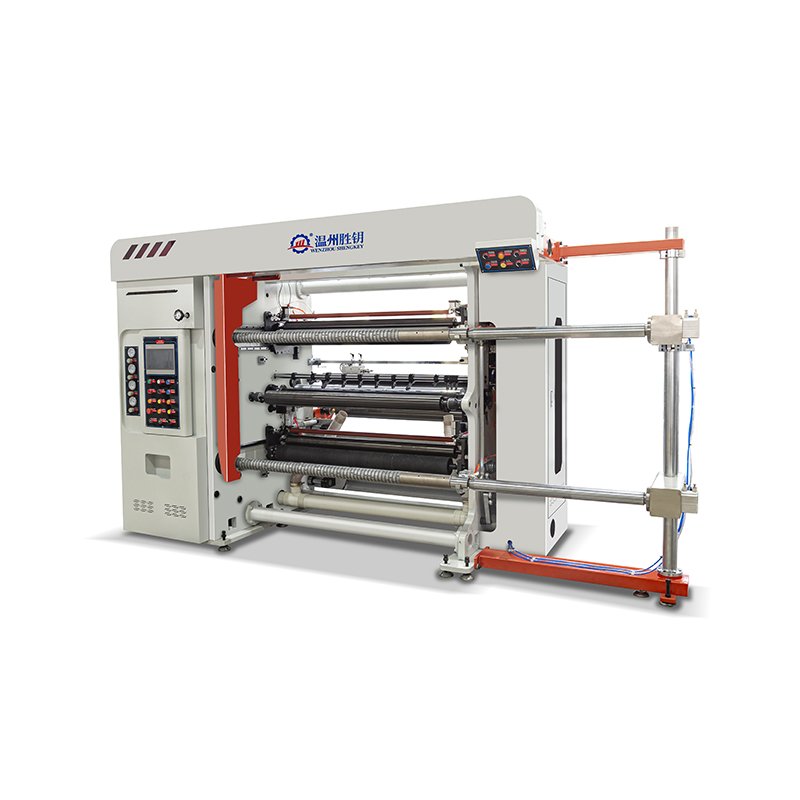
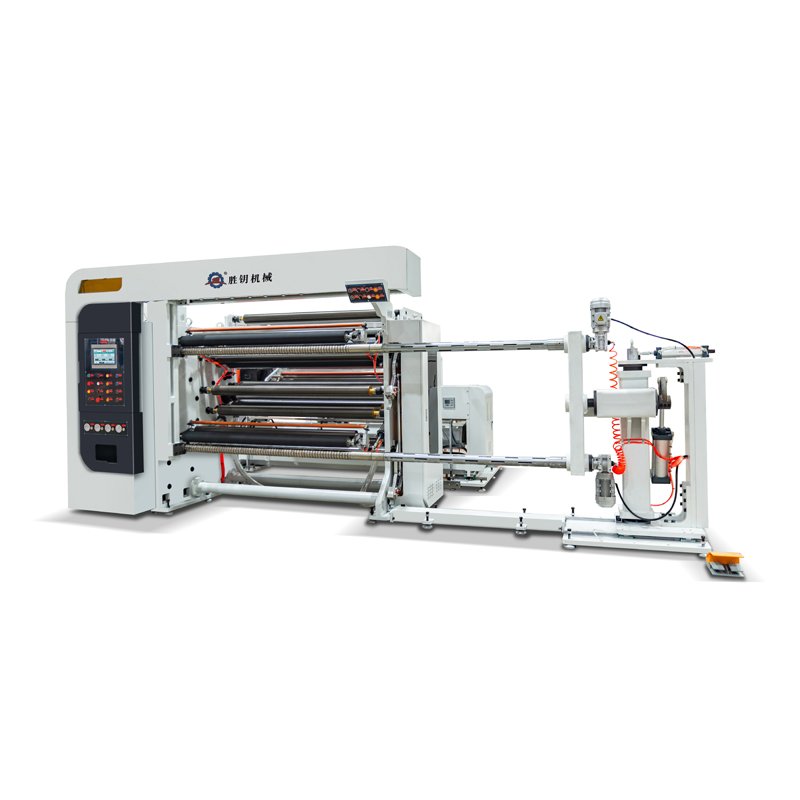
A slitting machine is an industrial device designed to cut large rolls of material into narrower rolls with precise widths. These materials may include plastic film, paper, aluminum foil, nonwoven fabric, adhesive tape, and various composite materials. The machine typically performs three core functions: unwinding, slitting, and rewinding.
In a standard production line, jumbo rolls of raw material are loaded onto the unwinding section. The material is then guided through high-precision cutting blades or rotary knives, which slit the material into specified widths. Finally, the rewinding section collects the slit material into smaller, finished rolls ready for downstream use.
This process not only improves material utilization but also ensures consistency and accuracy in mass production, which is essential for industries with strict quality standards.
Increasing Demand for High-Speed and High-Precision Systems
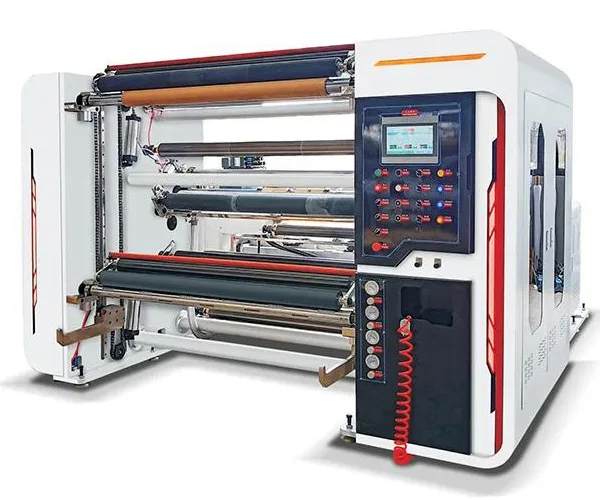
Over the past decade, the slitting machine industry has experienced significant technological advancement. Traditional mechanical systems are gradually being replaced by automated, servo-driven, and computer-controlled slitting machines that offer higher speed, improved tension control, and enhanced cutting accuracy.
Modern slitting machines can operate at speeds exceeding several hundred meters per minute, while maintaining micron-level precision in certain applications. This is particularly important for industries such as flexible packaging and electronic materials, where even minor deviations in width can affect product performance.
Manufacturers like Shengyao Machinery focus on delivering solutions that combine stability, automation, and customization. Their systems are designed to handle a wide range of materials and thicknesses, allowing customers to adapt quickly to changing production requirements.
Key Technological Innovations
One of the most significant developments in slitting machine technology is the integration of servo motor control systems. These systems enable precise adjustment of blade positioning, tension control, and rewinding speed. As a result, operators can achieve more stable production with reduced material waste.
Another important innovation is automatic tension control. Maintaining consistent tension throughout the slitting process is critical for ensuring clean edges and preventing material deformation. Advanced slitting machines now use sensors and feedback systems to automatically adjust tension in real time.
Additionally, modern machines often include PLC (Programmable Logic Controller) systems with touchscreen interfaces. This allows operators to easily set parameters such as cutting width, speed, and roll diameter, improving usability and reducing setup time.
Shengyao Machinery also emphasizes modular machine design, allowing flexible configurations for different industrial applications. Whether used for packaging films, adhesive materials, or specialty industrial substrates, the equipment can be adapted for different production needs.
Applications Across Multiple Industries
The versatility of slitting machines makes them indispensable across a wide range of sectors.
In the packaging industry, slitting machines are used to process plastic films, laminates, and composite materials used in food packaging, medical packaging, and industrial wrapping. These materials must be cut into precise widths to ensure compatibility with automated packaging equipment.
In the printing and labeling industry, slitting machines are used to convert large printed rolls into smaller label rolls. High-speed turret slitting systems are especially popular in this field due to their ability to reduce downtime during roll changes.
In the textile and nonwoven industry, slitting machines process materials used in hygiene products, medical gowns, and industrial wipes. Consistency and cleanliness are critical in these applications, requiring machines with advanced dust control and tension regulation systems.
In the metal and composite materials industry, heavy-duty slitting lines are used to cut steel coils, aluminum sheets, and advanced composite tapes. These applications require robust mechanical structures and high cutting force capability.
Market Trends and Industry Outlook
The global slitting machine market is expected to continue growing steadily, driven by increased demand for flexible packaging, e-commerce logistics, and sustainable materials. As industries shift toward lightweight and recyclable packaging solutions, the need for efficient material conversion equipment becomes even more critical.
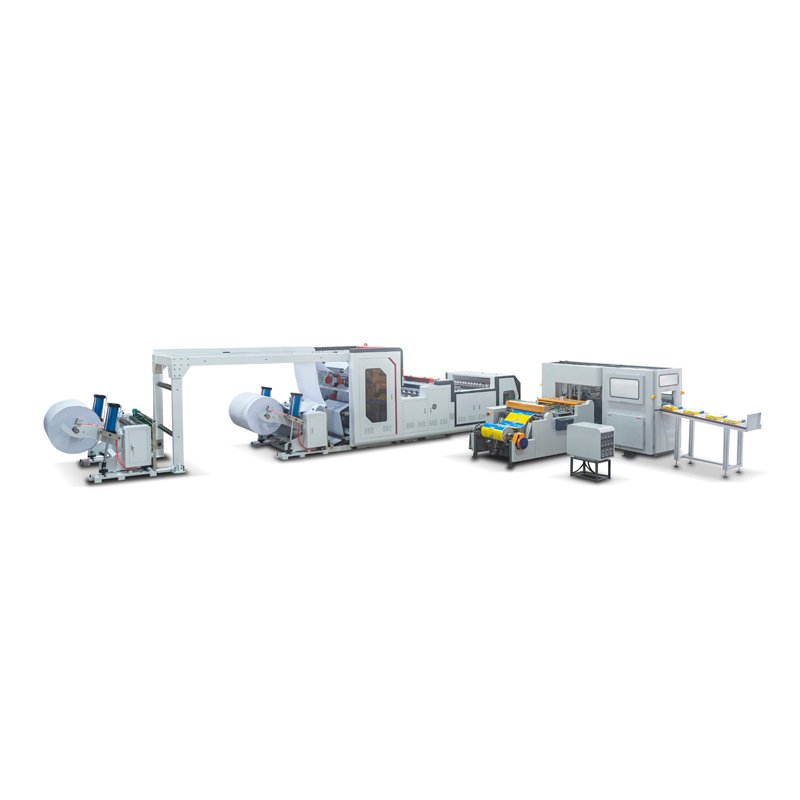
Automation is another major trend shaping the future of slitting machines. Fully automated systems that integrate loading, slitting, inspection, and rewinding are becoming more common. These systems reduce labor costs, improve production efficiency, and minimize human error.
Digitalization is also transforming the industry. Smart slitting machines equipped with IoT sensors can now collect real-time production data, monitor machine health, and support predictive maintenance. This reduces downtime and improves overall equipment efficiency.
Companies like Shengyao Machinery are actively contributing to this transformation by developing machines that combine mechanical precision with digital intelligence. Their focus on innovation helps manufacturers meet the increasing demands of global supply chains.
Challenges and Future Development
Despite significant advancements, the slitting machine industry still faces several challenges. Material diversity is one of the most complex issues, as different materials require different blade types, tension settings, and cutting methods. Ensuring consistent performance across various materials remains a technical challenge.
Another challenge is the increasing demand for ultra-high precision. Industries such as electronics and medical packaging require extremely tight tolerances, pushing machine manufacturers to develop more advanced control systems and cutting technologies.
Looking ahead, the future of slitting machines is expected to focus on greater automation, artificial intelligence integration, and sustainable manufacturing. Energy-efficient designs and waste-reduction technologies will also become increasingly important as industries move toward greener production practices.
Conclusion
The slitting machine has evolved from a simple mechanical cutting device into a highly sophisticated, automated system essential for modern manufacturing. Its ability to deliver precision, efficiency, and flexibility makes it a cornerstone of industries ranging from packaging to advanced materials processing.
With continuous innovation from manufacturers such as Shengyao Machinery, the industry is set to achieve even greater levels of performance and intelligence in the coming years. As global demand for high-quality converted materials continues to rise, slitting machines will remain a vital technology driving industrial progress.